economy
May 6, 2026
Mali: Serbia received IMF support to continue reforms
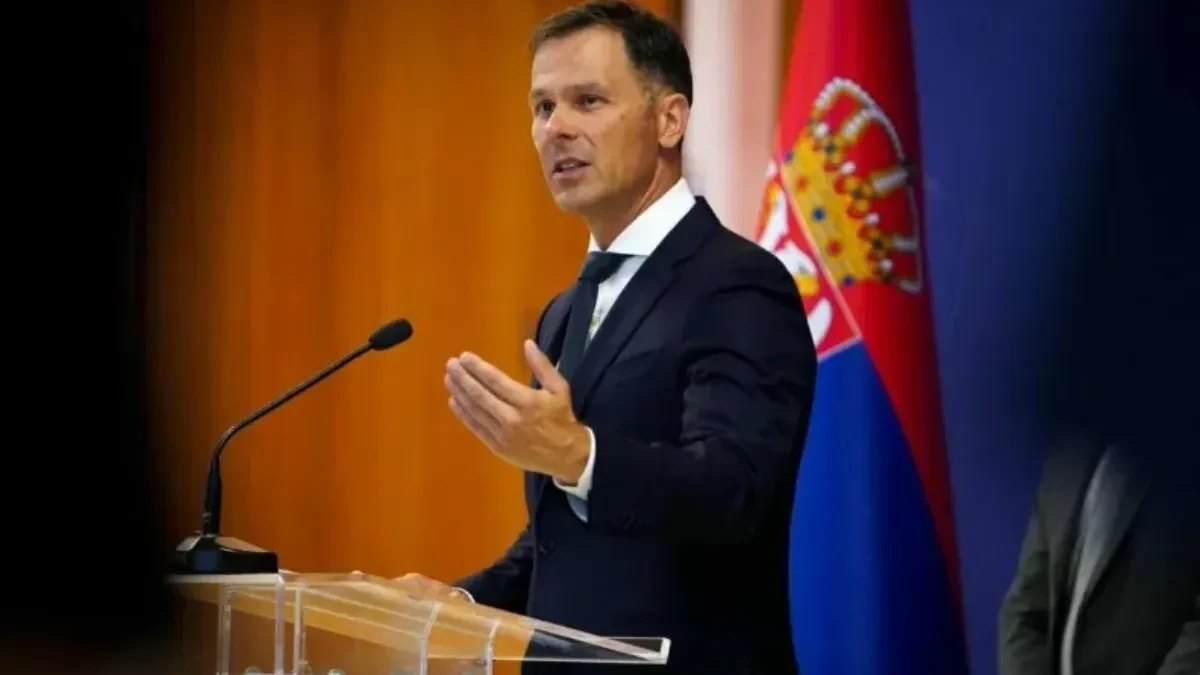
First Deputy Prime Minister and Minister of Finance Siniša Mali today assessed the visit of the International Monetary Fund (IMF) Mission to Serbia as very important, because, as he emphasized, Serbia received support from a renowned international financial institution to continue reforms and maintain existing macroeconomic results.
TL;DR
- The IMF mission to Serbia acknowledged the country's strong macroeconomic results and ongoing reforms, providing support for continued progress.
- Serbia's key strengths include moderate public debt, high foreign exchange reserves, and a stable banking system, which form a solid basis for facing economic challenges.
- The IMF forecasts Serbia's economic growth at approximately 2.75% in 2026, increasing to 4% in 2027, with contributions from real income growth, new export capacities, agricultural recovery, infrastructure and energy investments, and tourism related to Expo.
- The conflict in the Middle East is identified as a factor that will negatively affect growth in 2026 due to increased energy prices and heightened uncertainty.
- Serbia is committed to limiting its fiscal deficit to 3% of GDP for 2026-2027 and is implementing fiscal rules for public sector wages and pensions.
- The IMF recommends a temporary reduction in fuel excise taxes in early 2026 to mitigate the impact of rising oil prices, followed by their eventual removal to maintain fiscal sustainability.
- The forecasts are subject to high uncertainty, particularly concerning the escalation of the Middle East conflict and further disruptions in energy markets.
- Maintaining prudent and predictable macroeconomic policy is crucial for Serbia's credibility and risk mitigation.