economy
March 3, 2026
Demand for Qualified Welders is Growing: Hourly Rate Six Euros, Four Times Higher Abroad
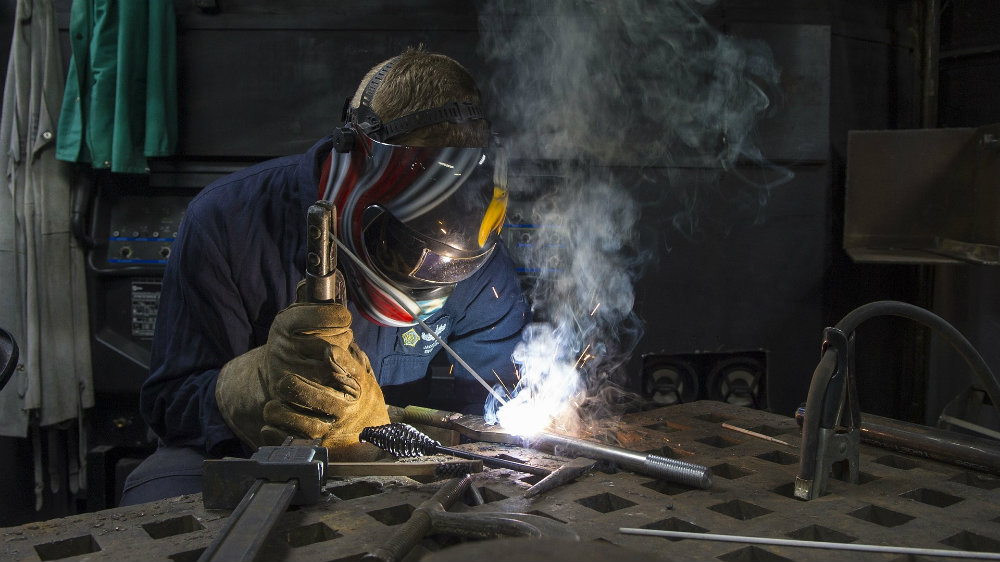
Without them, there is no industrial production, construction sites, power plants, or major infrastructure projects. Behind every bridge, production hall, kilometer of pipeline, hydroelectric power plant, or nuclear facility lies a precise weld.
TL;DR
- Welders are essential for industrial production, construction, and infrastructure projects.
- While formal training exists, many become proficient in months.
- The 'Zavod za zavarivanje' issues up to 2,500 certificates annually.
- About half of welders seek employment abroad for projects lasting one or more years.
- High demand domestically and internationally is increasing the number of candidates.
- Employers sometimes import labor from countries like India, Pakistan, and Nepal due to a shortage of qualified welders.
- Common welding procedures include 111-REL, TIG-141/142, MAG-135/136/138, MIG-131, and gas welding (311), as well as plastic welding.
- Initial training typically lasts 30-40 working days, with options for longer, specialized training.
- The job involves difficult and inaccessible working conditions.
- Career paths include becoming an instructor, quality controller, or establishing one's own workshop.
- Wages can start around 1,000 euros domestically, potentially reaching 2,000 euros with experience.
- International hourly rates can be around 25 euros.
- The profession requires perseverance, good motor skills, and vision.
- Training costs around 2,000 euros for the initial level, considered a good investment.
- Safety is paramount, requiring welders to invest in protective equipment like oxygen masks, gloves, and safety shoes.