politics
March 30, 2026
What Most Fears the Regime
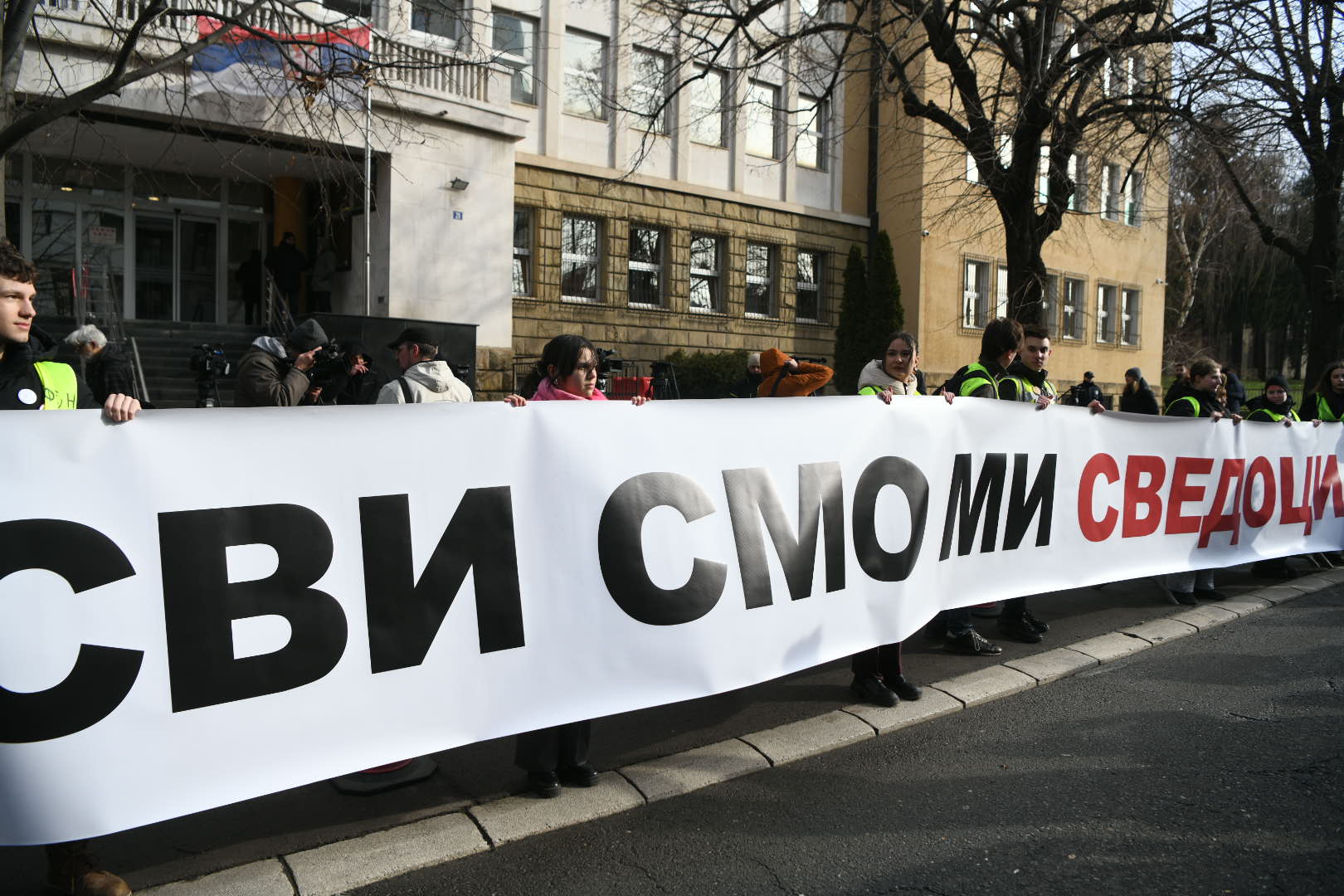
Student movements are unusually and unexpectedly resilient precisely because they are rooted in everyday social connections rather than formal structures. In such a world, great distance does not exist, and rebellion cannot be contained. Everything is soon discovered or known. And that is what should (and does) frighten the regime.
TL;DR
- The 'small world phenomenon' illustrates that people are more connected than they intuitively believe, with an average of six degrees of separation.
- Student movements are resilient because they are rooted in everyday social connections, not formal structures, making rebellion difficult to contain.
- Social networks, including weak ties, act as bridges that allow information, influence, and emotions to spread quickly through society.
- In authoritarian systems, power relies on the assumption of a fragmented society; student protests challenge this by demonstrating widespread interconnectedness.
- Emotional contagion, such as courage and anger, spreads through social networks, lowering the perceived costs of participation and mobilizing individuals.
- The interconnectedness of society means that repression is hard to contain locally and that legitimacy travels through horizontal, social channels.
- Political elites understand network logic for patronage but are threatened when the same logic is mobilized from below without clear leaders.
Continue reading the original article