culture
May 4, 2026
Art Integrated into Everyday Life
Between the parliamentary elections in Hungary and the reopening of the museum of the French-Hungarian artist, this time with a permanent exhibition, there was no formal connection. But a deep symbolic connection does exist. Protagonists from both key sides of the election and the way they spoke provide confirmation.
TL;DR
- A clock in Pecs initially seemed to mark a political countdown but was for the anniversary of artist Viktor Vasarely and his museum's reopening.
- The museum's reopening and the Hungarian parliamentary elections, though formally unconnected, shared a symbolic link related to freedom and openness.
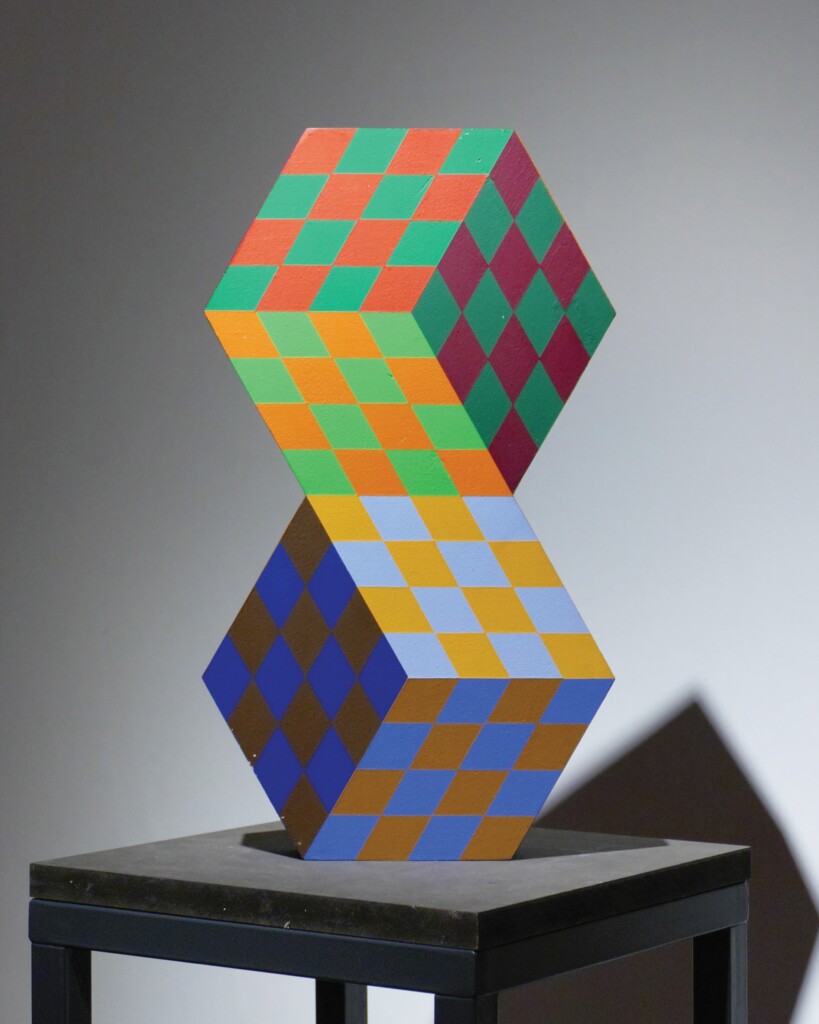
- Viktor Vasarely, a pioneer of op-art, advocated for art to be integrated into daily life, accessible to everyone, and open to multiplication.
- His philosophy, expressed in the 'Yellow Manifesto,' championed the democratization of art, aiming to break down elitist barriers.
- Vasarely's work in Hungary during the 1960s and 70s was instrumentalized by the regime for international prestige, a compromise he accepted to achieve his artistic and social goals.
- Artist Janos Major staged a subtle protest against this instrumentalization, highlighting the tension between compromise and principle.
- The Vasarely Foundation established museums in Hungary, coinciding with the country's democratic transition.
- The 'Vasarely 2026 – Pecs' events and the museum's reopening underscore a continuous struggle for freedom and open dialogue in Hungary.
Continue reading the original article