tech
February 14, 2026
Why have there been so many solar flares lately
The last few weeks have brought a real treat for aurora borealis enthusiasts – with some of the most beautiful spectacles seen in recent years.
TL;DR
- The recent increase in aurora borealis displays is due to high solar activity and large solar flares.
- Solar storms, caused by solar winds, can impact astronauts and technology on Earth, including power outages.
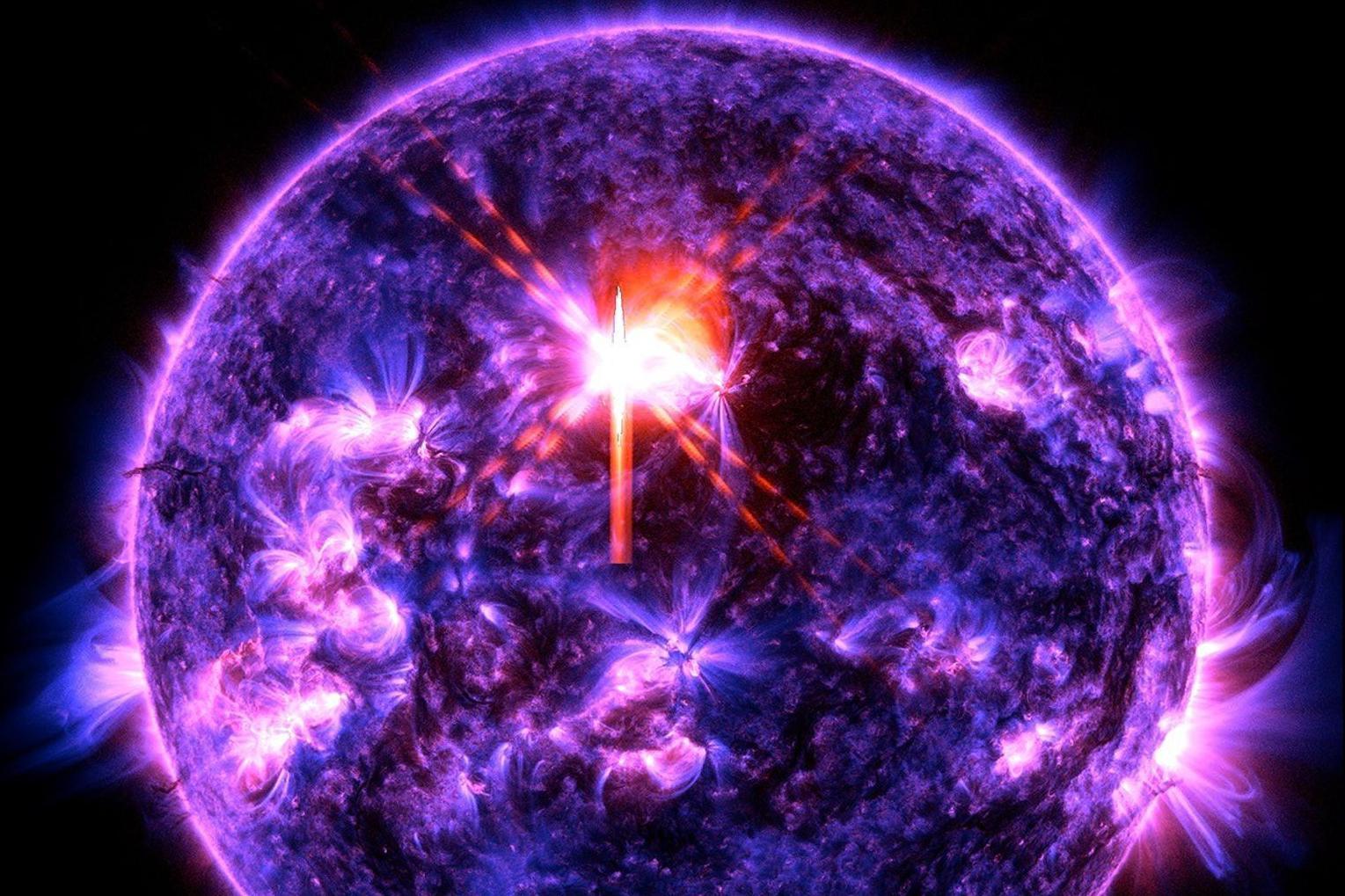
- A powerful X-class solar flare was recorded on February 4th, causing potential signal degradation for communications.
- These events stem from Solar Active Region 4366, a cluster of sunspots.
- The Sun is currently in a period of heightened activity as part of its natural solar cycle, which peaked in late 2024 but will remain high through 2026.
- Solar flares are electromagnetic radiation traveling at the speed of light, while Coronal Mass Ejections (CMEs) are slower but massive bursts of energy.
- The Sun's magnetic field goes through an 11-year cycle, with solar minimums (fewest sunspots) and solar maximums (most sunspots).
- Solar Cycle 25 began in December 2019, and solar maximum was reached in 2024.
- Past solar flares have caused disruptions, including GPS interference (2017), radio communication issues in China (2011), a power outage in Quebec (1989), and telegraph line issues (1859).