tech
Kad ste sipali gorivo?! Ako ste sada u Beogradu, i sedate u automobil, ovo može da UNIŠTI MOTOR!
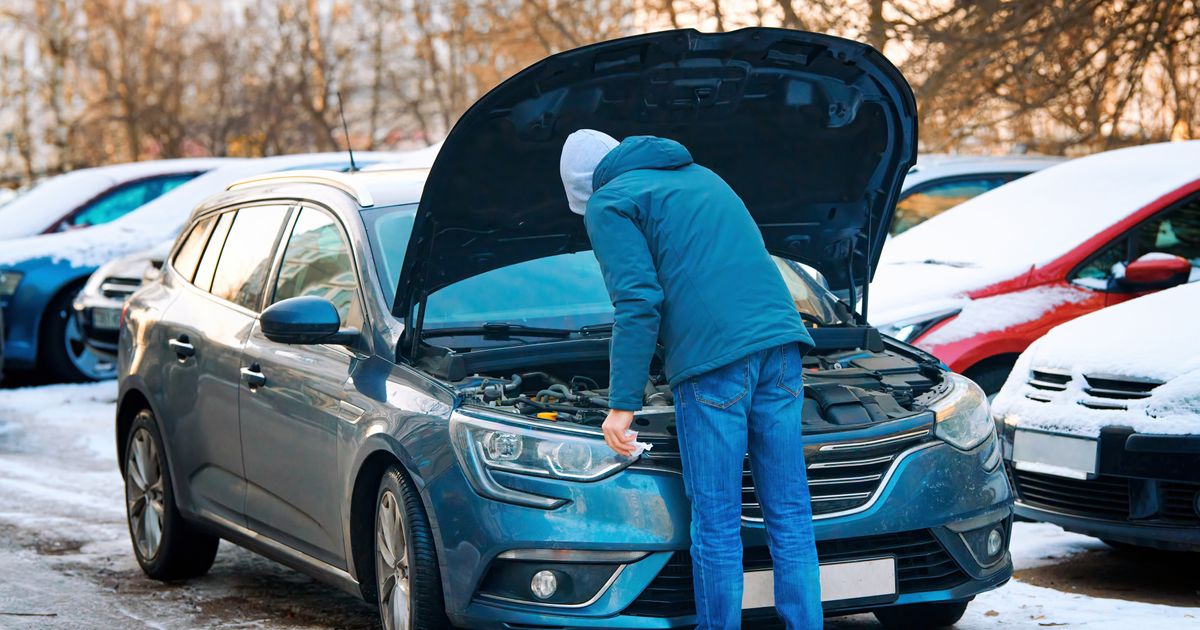
Letnje dizel gorivo je zimi smrt za auto. Čak i jesenja mešavina, koja se na pumpama točila do 15. novembra, potpuno je neadekvatna na današnjim temperaturama koje su se spuštale i do -25 stepeni Celzijusa. Šta uraditi ako retko točite gorivo i u rezervoaru imate neodgovarajuće gorivo? I šta savetujemo vozačima električnih vozila?
TL;DR
- Summer and autumn diesel fuels are inadequate for very low temperatures due to paraffin crystal separation.
- Paraffin crystals can clog diesel fuel filters, a phenomenon more accurately described than 'freezing'.
- The 'Cloud Point' (CP) is when diesel becomes cloudy, and the 'Cold Filter Plugging Point' (CFPP) is when filters get blocked.
- Fuel filtrability is a lab measurement, and real-world performance can be affected by conditions up to 7 degrees Celsius colder than reported air temperatures.
- Winter diesel in Slovenia and the EU must have a filtrability point of at least -20°C from mid-November to the end of February.
- Premium diesel fuels offer better cold resistance, with some reaching below -40°C.
- Seasonal diesel fuel standards define filtrability points: summer (0°C), autumn/spring (-10°C), and winter (-20°C).
- If you have inadequate fuel, consuming it quickly and refilling with premium winter fuel is recommended.
- Winter additives can help prevent crystallization if added before or during refueling, but their effectiveness is not guaranteed.
- Once diesel fuel has crystallized, the only solution is to warm it up, typically in a heated garage.
- Electric vehicles' lithium-ion batteries are sensitive to cold, slowing chemical reactions and reducing efficiency.
- Cold temperatures decrease EV battery capacity, power, fast charging capabilities, and energy recuperation.
- At -20°C, EVs can lose 20-40% of their range, with cabin heating further reducing it.
- Charging speeds for EVs are slower in the cold as batteries may refuse high power or require energy for preheating.
- Tips for EV owners include parking in warm spaces, using preheating features, and charging overnight at lower power.